
Melting Glaciers: A Global Climate Alarm
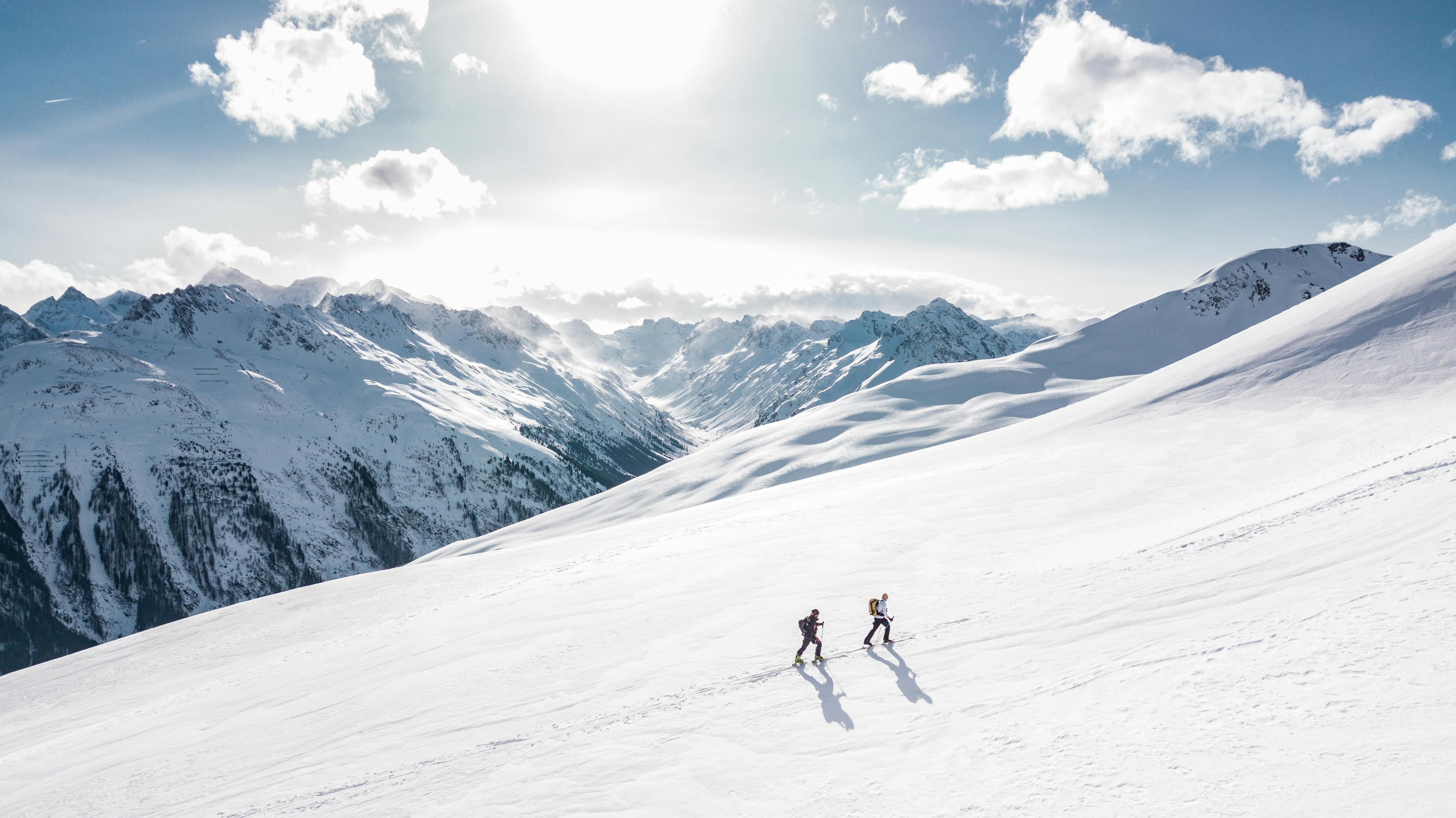
Earth’s freshwater reservoirs, glaciers, are melting at rates not precedented before. From the icy plains of Antarctica and Alps to the peaks of the Himalayas, global warming and climate change are real causes of concern. Rising world temperature is the reason for melting glaciers that results in floods in the rivers.
According to narrow study of Weather Pulse Now experts, the Himalayas, home to the largest ice mass outside the polar regions, supply water to over 1.6 billion people through major river systems like the Ganges, Indus, and Brahmaputra is flooding badly due to melting glaciers. Yet, due to rising global temperatures, Himalayan glaciers are retreating at an average rate of 10–60 meters per year.
A 2023 study by the International Centre for Integrated Mountain Development (ICIMOD) warned that up to 75% of Himalayan glaciers could disappear by 2100 if current emissions continue. This threatens not only water security but increases the risk of glacial lake outburst floods (GLOFs)—a growing danger for mountain communities.
| 🌍 Other Melting Hotspots | |
|---|---|
| Greenland | Losing over 250 billion tons of ice annually, contributing significantly to rising sea levels. |
| Antarctica | The West Antarctic Ice Sheet is rapidly destabilizing. Ice shelves like Larsen B have already collapsed. |
| Alps (Europe) | Glaciers have lost 60% of their volume since 1850. By 2100, most could disappear entirely. |
| Andes (South America) | Glaciers feeding communities in Peru and Bolivia are vanishing, affecting agriculture and drinking water supplies. |
| 🌊 Why This Matters | |
| Sea Level Rise | Melting glaciers add billions of tons of water to oceans annually, endangering coastal cities. |
| Water Scarcity | Reduced meltwater threatens irrigation, drinking supply, and hydropower for millions. |
| Extreme Weather | Disruption in glacial systems impacts global weather patterns and monsoons. |
| 🛑 What Can Be Done? | |
| Reduce carbon emissions through clean energy. | |
| Protect and monitor vulnerable glacier zones. | |
| Strengthen disaster preparedness in high-risk regions. | |
| Global cooperation via climate agreements (like the Paris Accord). | |